Week 14: AI, Freedom, and the Kindly Slavemaster
DSAN 5450: Data Ethics and Policy
Spring 2026, Georgetown University
Wednesday, April 22, 2026
A “General” Fairness Definition?
- May need to “descend” from 👆Platonic ideal fairness to 👇Aristotelian context-sensitive case-specific fairness 🤔
- (Hard enough to find “general” groupings in Canada, now do allocations of resources among them… and then the whole world)
- We saw this issue before, in different form! Rawls on “correct” ranking of rights
- [Rawls: No “correct” ordering; Different societies \(\leadsto\) different social value systems, power struggles \(\leadsto\) different orderings]
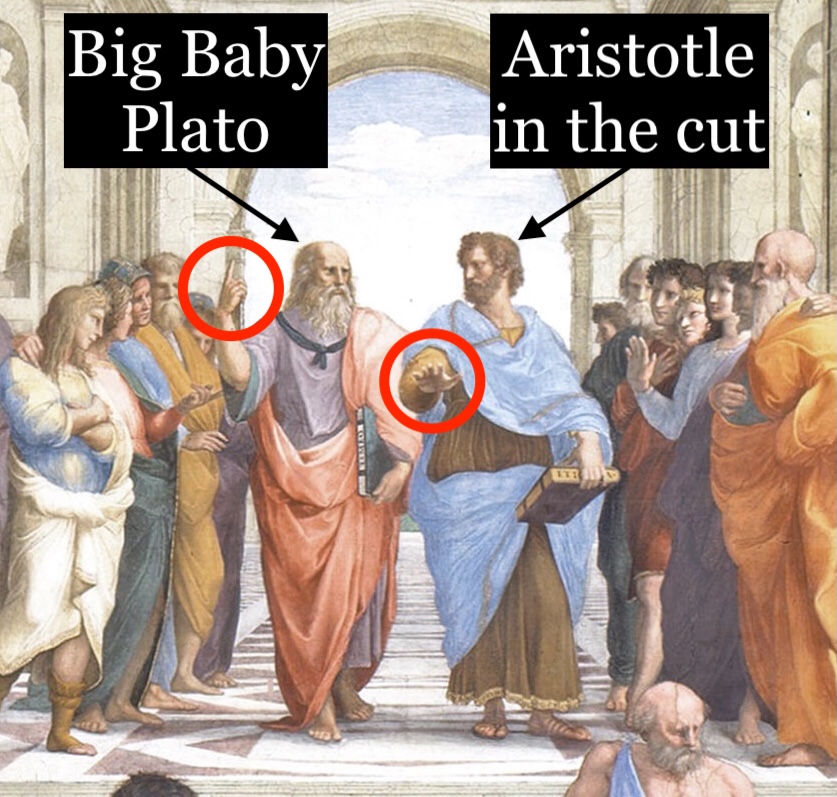
- [Me, I guess? 🙈: No “correct” fairness defn for racial discrimination; Different societies \(\leadsto\) different racial/caste/identity formations, power struggles \(\leadsto\) different fairness defns]
…But Wait! Here’s a German Guy!
- Speech Act Theory + Pragmatics \(\leadsto\) “Theory of Communicative Action” (Habermas 1990)
- Whether “globally” or (more realistically) in specific cases, what discursive settings might best enable “fusing of horizons”?
We must distinguish between the social fact that a norm is intersubjectively recognized and its worthiness to be recognized. [ought]
When we discuss moral-practical questions of the form “What ought I to do?” we presuppose that the answers need not be arbitrary; we trust our ability to distinguish in principle between right norms or commands and wrong ones. [Reflective Equilibrium]
[What structure undergirds this ability to distinguish?] What kind(s) of argument, what form(s) of reasoning is it proper for us to accept in support of moral decisions?
But First… Phenomenology
“Objective” account: Roquentin sits down on bus seat; “Subjective” account:
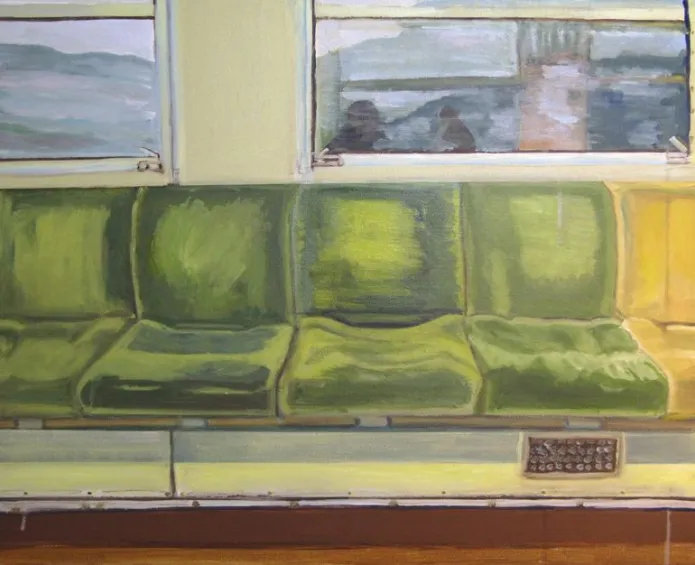
I lean my hand on the seat but pull it back hurriedly: it exists. This thing I’m sitting on, leaning my hand on, is called a seat. They made it purposely for people to sit on, they took leather, springs and cloth, they went to work with the idea of making a seat and when they finished, that was what they had made. They carried it here, into this car and the car is now rolling and jolting with its rattling windows, carrying this red thing in its bosom. I murmur: “It’s a seat” […] But the word stays on my lips: it refuses to go and put itself on the thing. It stays what it is, with its red plush, thousands of little red paws in the air, all still, little dead paws… (Sartre 1938)
“Cool Theory, I Guess…”
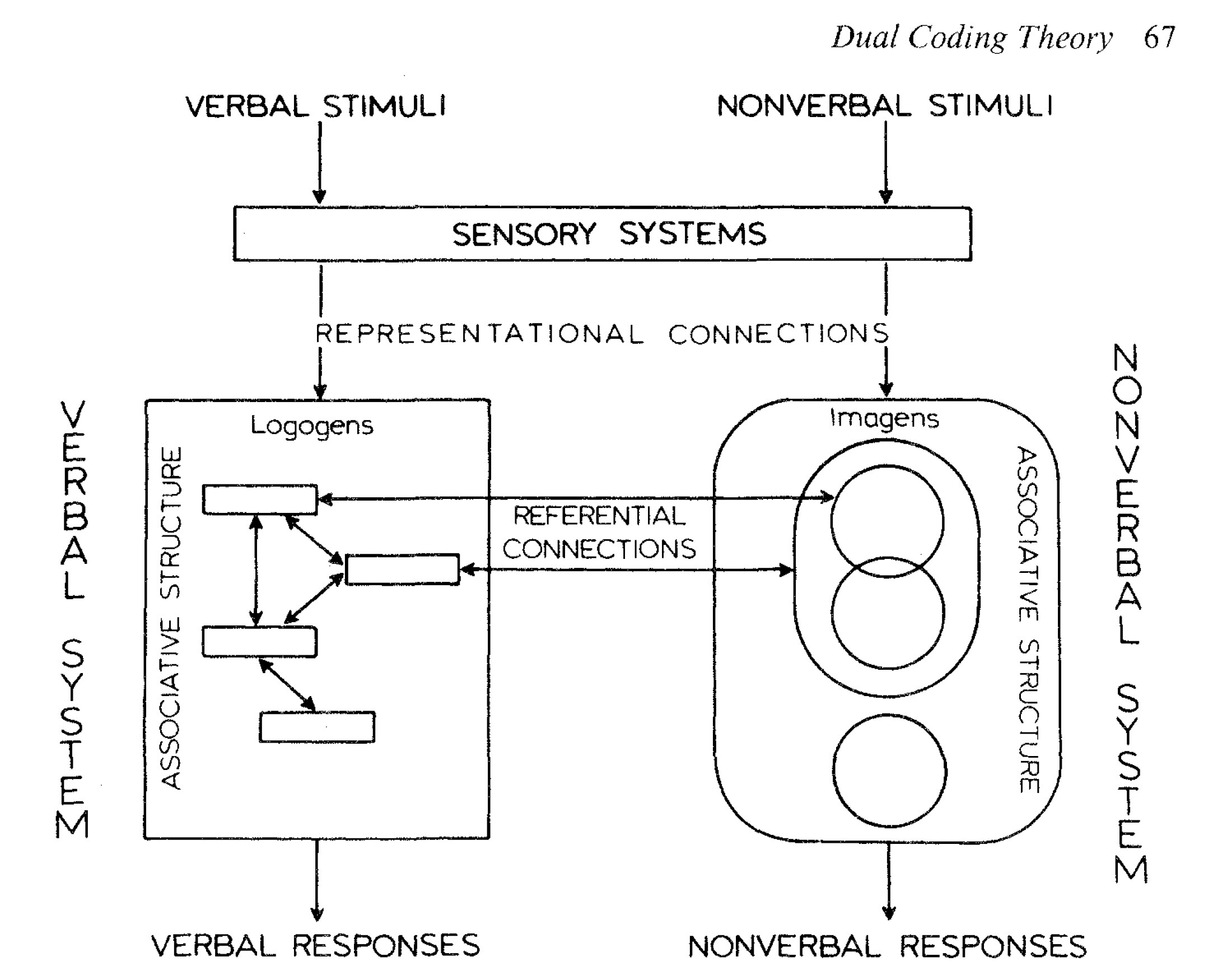
- Less pessimistic result of pessimistic conjecture: Some hope from Fodor-Sperber model (disclaimer: also terrifying Minority Report-style dystopian possibilities)
- “Good luck measuring ideas inside of people’s heads… I’ll be over here measuring real things and doing real data science!” -My innumerable Wile E. Coyote-style opps

Specifically-Chosen Examples

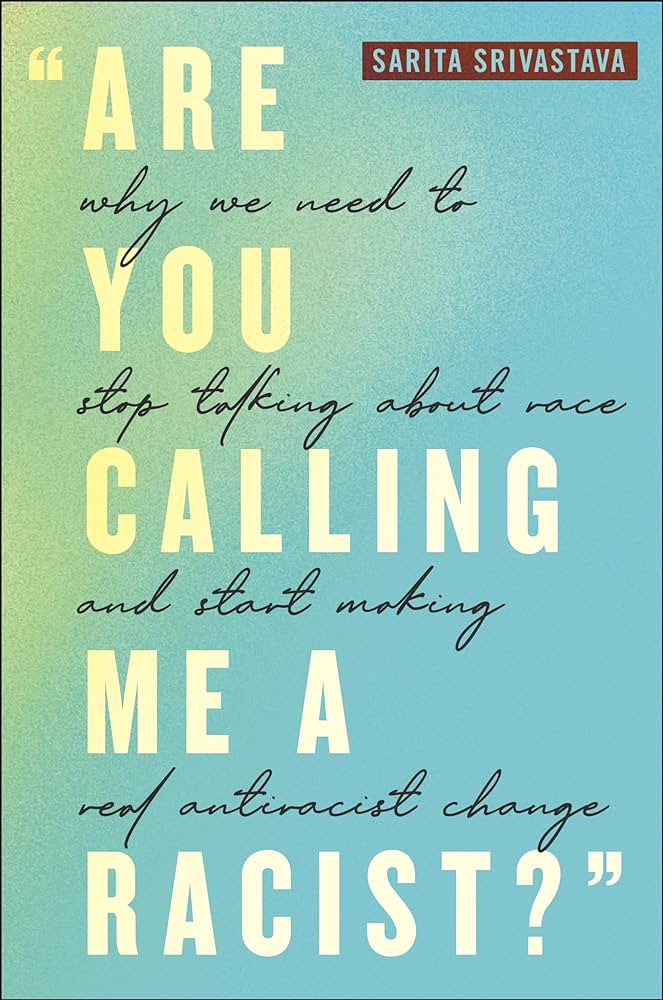
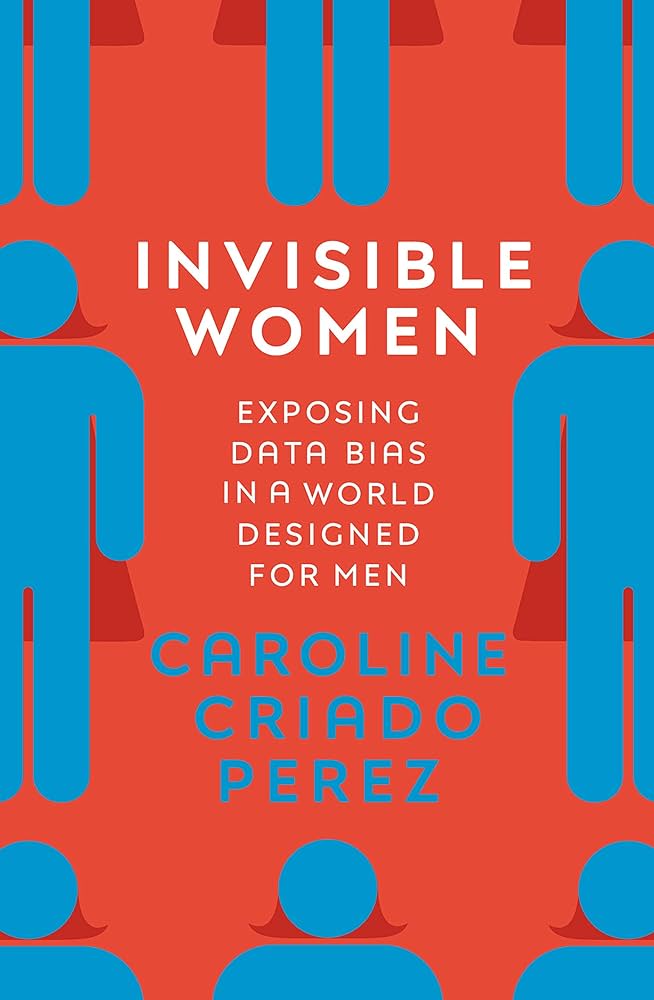
With Great Privilege Comes Great Responsibility
What is the most damage I can do, given my biography, abilities, and commitments, to the racial order and rule of capital? (Joel Olson)

(See Also)
The Cowan Paradox
For many ages to come the old Adam will be so strong in us that everybody will need to do some work if he [sic] is to be contented […] But beyond this, we shall endeavour to spread the bread thin on the butter—to make what work there is still to be done to be as widely shared as possible. Three-hour shifts or a fifteen-hour week may put off the problem for a great while. For three hours a day is quite enough to satisfy the old Adam in most of us!
(John Maynard Keynes, “Economic Possibilities for our Grandchildren”, 1930)

“Controlling for” Everything Besides Race


- Economist assertion: everything is “same” except for [name \(\leadsto\) race]
- Weird part of assertion: only true if the “everything” is stripped of context… But, stripped of context, how would we get [name \(\leadsto\) race] in the first place?
Age Discrimination?
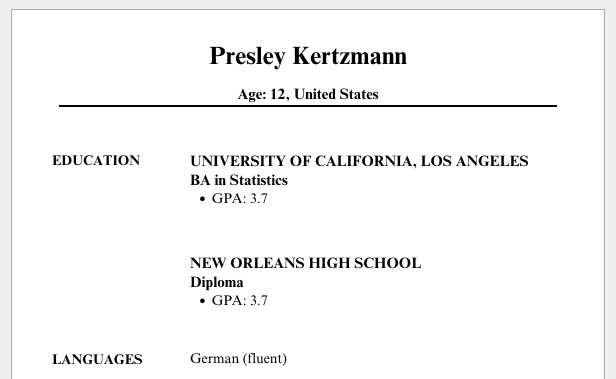
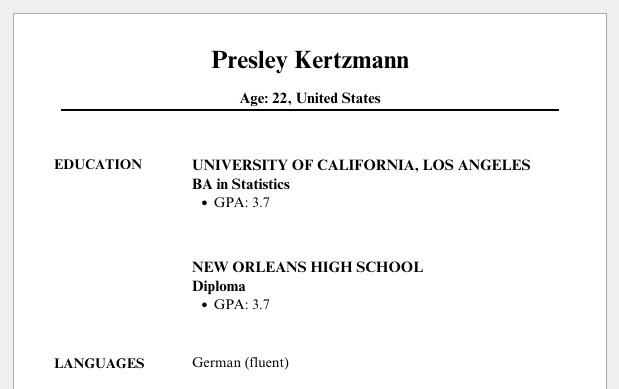
Fair \(\iff\) [\(\Pr(\text{Admit Presley}_{12}) = \Pr(\text{Admit Presley}_{22})\)]?
- Root of issue: [BA Stats, UCLA, 3.7] has no “free-floating” meaning—it’s attached to a person \(\Rightarrow\) affected by/interpreted w.r.t. their “protected” characteristics
“Cool Theory, I Guess…”
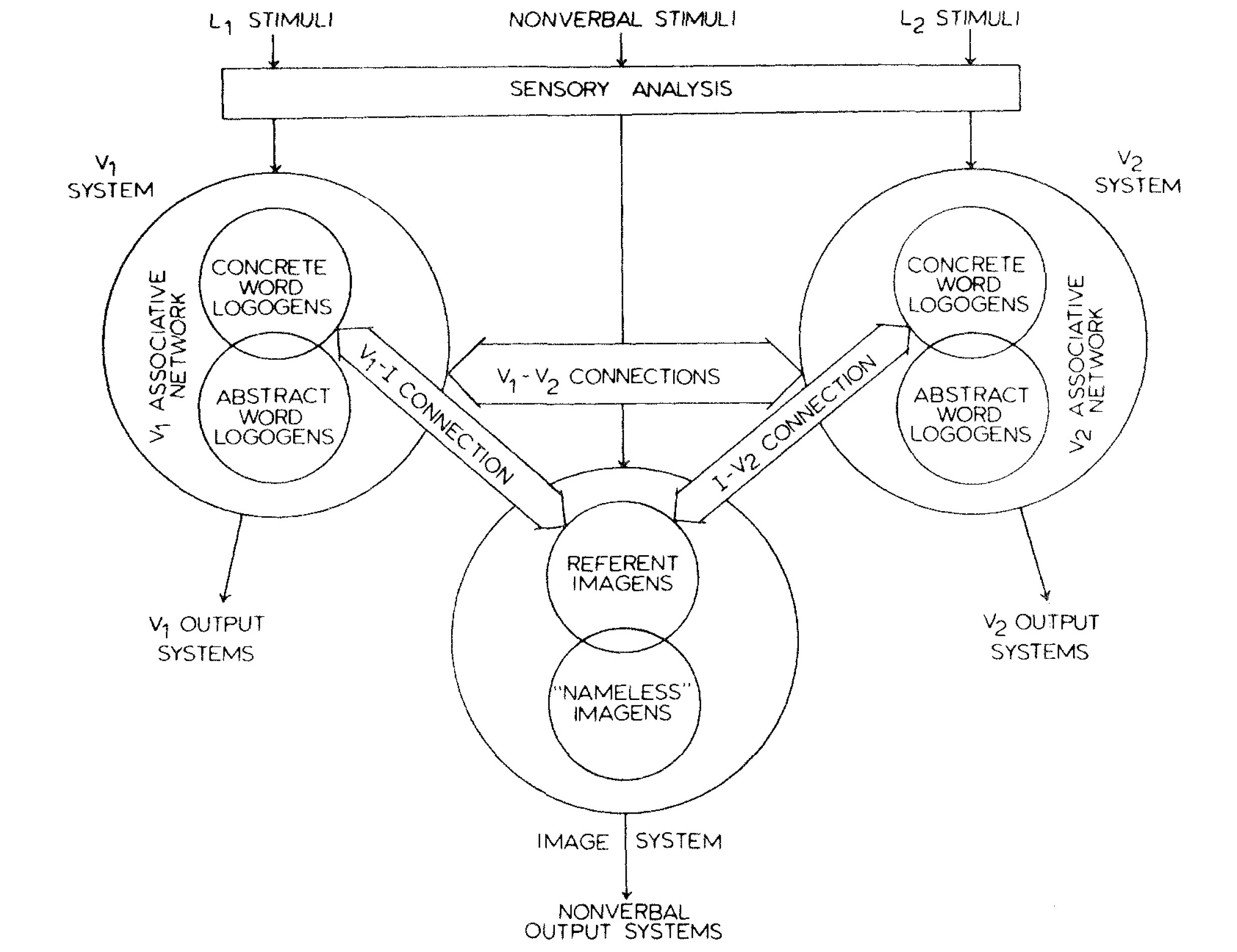
(Brace yourself: Jeff’s Trying-My-Best Fodor-Sperber model of socially-constructed “race” on next few slides… I’m sorry in advance 🙈🙈🙈 Did you know you can italicize emojis)
Opening A Big Can Of Worms
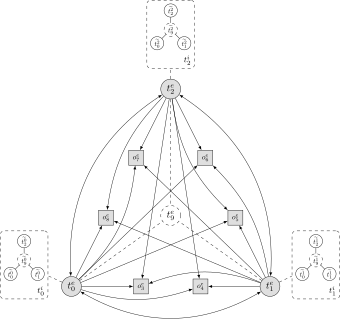
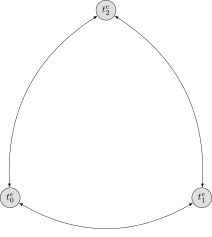
- Social interactions among \(t^e_0\), \(t^e_1\), \(t^e_2\)…
Opening A Big Can Of Worms
- Social interactions among \(t^e_0\), \(t^e_1\), \(t^e_2\)…
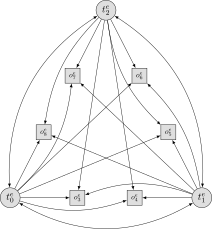
- Mediated by external things \(o^e_3\) to \(o^e_8\) (giving rise to patterns of interaction)…
Opening A Big Can Of Worms
- Social interactions among \(t^e_0\), \(t^e_1\), \(t^e_2\)…
- Mediated by external things \(o^e_3\) to \(o^e_8\) (giving rise to patterns of interaction)…
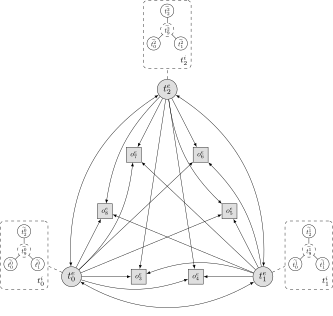
- Each person \(x\) forming their own internal representations \(\widetilde{t^x_0}\), \(\widetilde{t^x_1}\), \(\widetilde{t^x_2}\) of one another based on patterns of interaction, then
- Generalizing to an internal representation of a “type of person” \(\widetilde{t^x_9}\)…
Opening A Big Can Of Worms
- Social interactions among \(t^e_0\), \(t^e_1\), \(t^e_2\)…
- Mediated by external things \(o^e_3\) to \(o^e_8\) (giving rise to patterns of interaction)…
- Each person \(x\) forming their own internal representations \(\widetilde{t^x_0}\), \(\widetilde{t^x_1}\), \(\widetilde{t^x_2}\) of one another based on patterns of interaction, then
- Generalizing to an internal representation of a “type of person” \(\widetilde{t^x_9}\)…
- Which they then externalize as \(t^x_9\).
- \(t^0_9\), \(t^1_9\), \(t^2_9\) “congeal” into a shared external representation \(t_9^e\) via social mechanism (discussion, media, culture, propaganda, parenting, religion, education, …) \(\Rightarrow t^e_9\) “reified” (causal effects on \(t_0\), \(t_1\), \(t_2\))