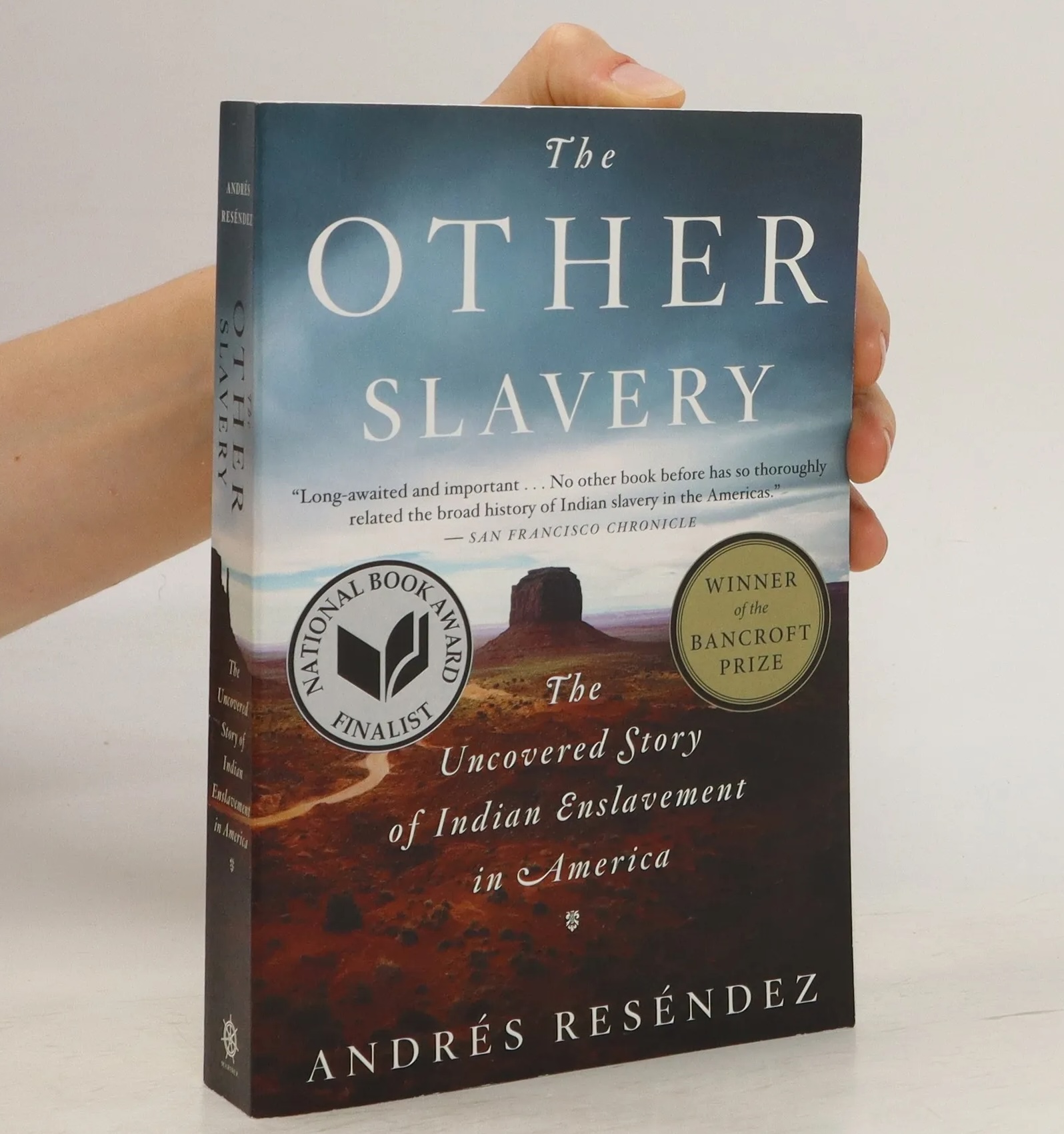
In a procrastination fit last night, I was looking at the list of Bancroft Prize-winning books and realized “huh, a lot of history books have titles like Catchy Hook: A History of [Subject], [Start Year]-[End Year]”. My data-scientist brain popped in and exclaimed, “semi-structured data!”, so I compiled a dataset of all Bancroft winners with explicit or implied dates in their titles, with start and end years plus indicator variables for whether the dates were explicit or implied.
I originally thought it was going to be easy to find out which date range was “most important” to Bancroft Prize-winning historians, in the sense that it lay inside the date ranges of the most prize-winning books. However, it turns out that this problem doesn’t fit so neatly into a “standard” algorithmic analysis of intersection problems, since that domain is mostly concerned with efficient ways to check whether a specific date/point is within a range or set of ranges (for example, by using an Interval Tree).
The good news is, I was finally able to find the solution to my worries in this Engineering Stack Exchange post on job scheduling algorithms — the domain I should have been looking at instead of intersection problems!
And, the main finding is this:
If you want to win a Bancroft Prize, write about the years 1816 to 1818!
The following 29 Bancroft Prize-winning books (sorted by the start of their year ranges, by default) all analyze this period, and no other date range has as many books whose date ranges contain it. You can remove the default filter to view all books, or download the dataset here, which also contains more information on e.g. whether the year is directly given in the title (in_title) or inferred from it (inferred).
For Merrell’s The Indians’ New World: Catawbas and Their Neighbors from European Contact through the Era of Removal (1989), we assume that “European contact” refers to the beginning of the Spanish colonization of the Americas in 1492, and that the era of removal ends with the Cherokee removal from 1836 to 1839.
For Bolster’s The Mortal Sea: Fishing the Atlantic in the Age of Sail (2012), we use Wikipedia’s definition of the “Age of Sail” (https://en.wikipedia.org/wiki/Age_of_Sail) as 1571–1862.